
 Enquiry
Push Bins in Delhi — Straight From the Manufacturer
If you've searched for a push bin in Delhi, you've probably noticed most listings don't actually explain what separates a push bin from a pedal bin or a swing-top bin — they just show a photo and a price. That's the gap worth closing here, because buyers ordering for offices, hospitals, or housekeeping contracts usually need the right mechanism for the setting, not just any bin that closes.
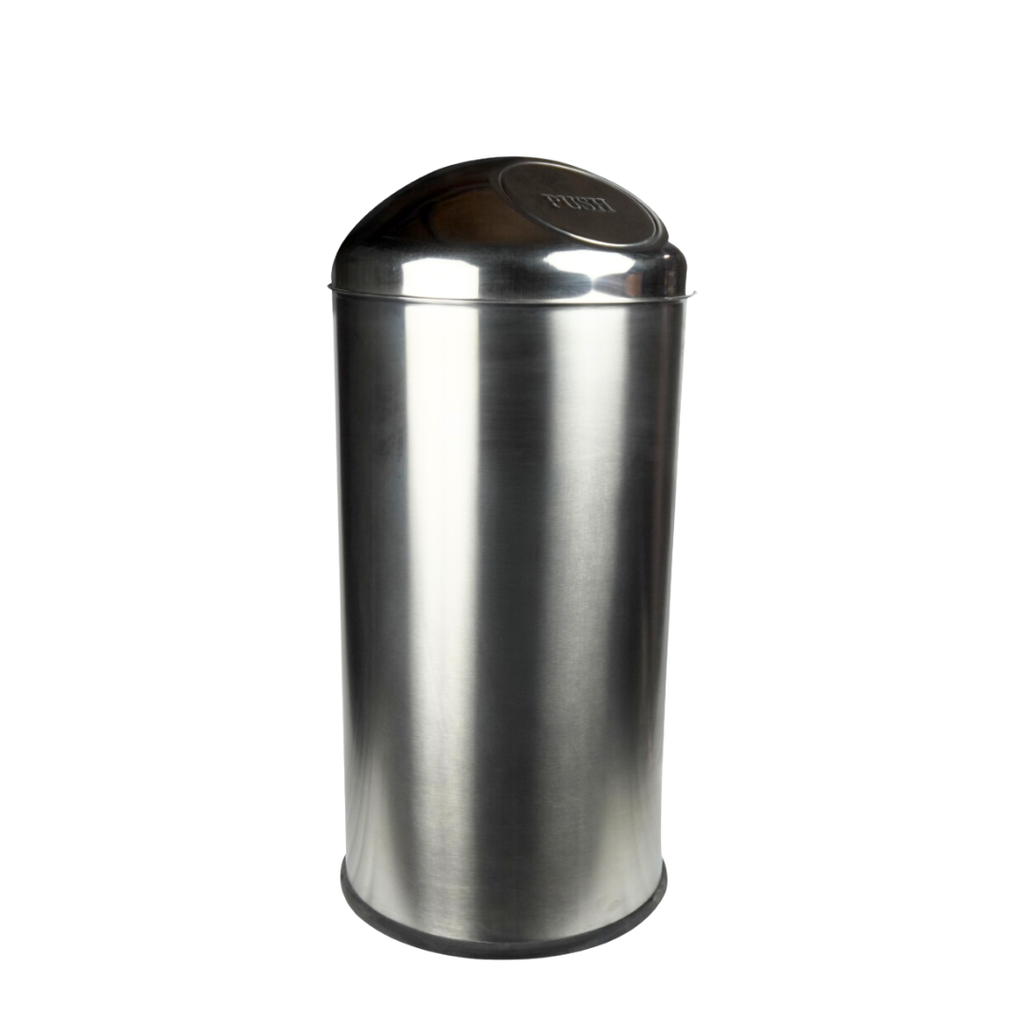
We manufacture and supply push bins in Delhi built for daily commercial use — reception areas, corridors, washrooms, and back-of-house waste points where a self-closing lid matters more than a foot pedal. Because production happens in-house, buyers ordering for multi-site contracts can get matched units across every location rather than a mixed batch pulled together from different vendors.
Being a push bin manufacturer in Delhi, not just a reseller, also means the price reflects production cost. That distinction matters more than it sounds — a lot of "suppliers" in this category are simply repackaging stock bought elsewhere and pricing in their own margin on top.
Where Push Bins Get Used
Offices lean on push bins for corridors and pantries, where a compact footprint matters more than large capacity. Hospitals and clinics often prefer them for waste points near patient areas, since the self-closing lid limits odour and airborne contact compared to an open bin. Hotels place them in back-of-house corridors and service areas, and housekeeping contractors buy them in bulk for exactly the reason a manufacturer relationship helps most — consistent units across dozens of sites, ordered and reordered without spec drift.
Retail spaces and malls sometimes use larger-capacity push bins near food courts, where high footfall means the lid needs to hold up to hundreds of daily uses without the hinge loosening — a build-quality detail that's easy to overlook until units start failing within a year.
Features Worth Knowing About
The hinge mechanism is the single most important part of a push bin, and it's usually the first thing that fails on cheaper units. Hinge is built to handle repeated daily use without the lid sagging or failing to swing shut — a common complaint with budget bins after a few months of heavy traffic.
Body material affects both durability and where the bin fits. Plastic grade or steel gauge gives the bin resistance to cracking under impact, which matters in corridors where bins get bumped by carts or foot traffic regularly.
Capacity should match the waste point, not just the room. A small pantry push bin doesn't need the same litre capacity as one placed near a hospital ward entrance — lets buyers size correctly instead of over- or under-ordering.
Finish and colour options usually matter more to hotels and offices managing a visual standard across sites than to industrial or back-of-house buyers, who typically prioritize durability over appearance.
Push Bin vs Pedal Bin vs Swing Bin
A push bin closes on its own after being pushed open by hand — useful where hands-free operation isn't the priority but a self-closing lid still is. A pedal bin opens via a foot pedal, keeping hands entirely off the bin, which hospitals and food-prep areas often prefer for hygiene reasons. A swing bin has a flap that swings both ways with a push, often used in higher-traffic public bins where speed of disposal matters more than a fully sealed lid.
For most office and hotel corridor use, a push bin strikes a reasonable middle ground — lower cost than a pedal-operated unit, but still closes to control odour and appearance, unlike a fully open bin.
Choosing the Right Push Bin for Your Site
Match capacity to foot traffic first — a bin that's too small at a high-traffic point just means overflow and more frequent housekeeping visits, which costs more over time than ordering one size up initially. Then weigh material against setting: plastic works fine for offices and hotels prioritizing look and cost, while stainless steel holds up better in industrial or heavy-use commercial settings where impact resistance matters more.
If you're outfitting multiple locations under one contract, it's worth locking specifications with the manufacturer directly rather than ordering piecemeal from whatever's in stock — mismatched bins across sites are a common complaint from facilities managers running standardized fit-outs.
Why Buy From Us
Manufacturing in-house means we can hold pricing and turnaround better than a reseller working off someone else's stock, which matters most when you're placing a recurring bulk order rather than a one-off purchase.
Objection worth addressing directly: buyers sometimes assume a manufacturer means longer lead times than a reseller with ready stock on hand — if your actual dispatch time is competitive, state the real figure here instead of leaving it vague.