
 Enquiry
Color Coated Bin Manufacturer and Supplier in Delhi
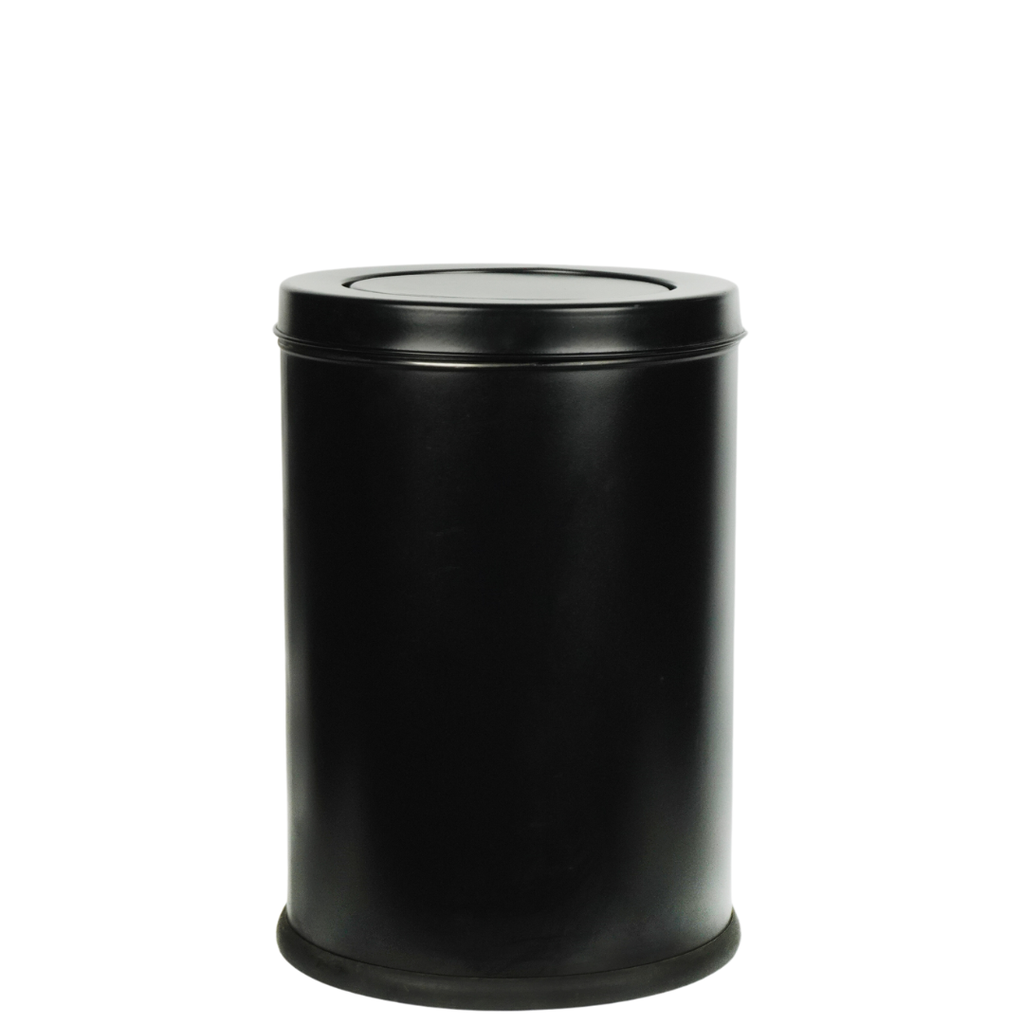
Walk into most Delhi offices, hospitals, or RWA compounds today and the waste bins aren't just steel drums painted whatever color was on hand — they're color coated bins, built to a color standard that tells the sanitation staff what goes where before anyone reads a label. That's really the whole point of the product: the color does part of the sorting work.
A color coated bin starts as a mild steel or stainless steel shell — 202 or 304 grade SS for higher-corrosion environments, mild steel where cost matters more than salt-air resistance — and gets a powder or enamel coating baked onto the surface. Powder coating in particular holds up to years of lid-slamming and mop-water splashing in a way that liquid paint doesn't; it doesn't chip the same way, and touch-ups are rare rather than routine.
What is a color coated bin?
A color coated bin is a metal waste bin — usually mild steel or stainless steel — finished with a powder or enamel coating in a standard color. The color isn't decorative; it identifies waste category (wet, dry, biomedical, recyclable), which is why hospitals, municipal contracts, and corporate campuses specify color coated bins rather than plain steel ones.
How do I choose the right color coated bin for my site?
Match capacity to foot traffic and collection frequency, not just floor space — a 30L bin emptied twice daily works better in a busy corridor than a 120L bin emptied once. Confirm the coating (powder vs. enamel) suits indoor or outdoor exposure, and check whether your site follows a specific color-coding standard (municipal, biomedical, or your own facility's) before ordering.
In Delhi, demand comes from a specific mix of buyers: hospitals and clinics needing biomedical waste segregation (yellow, red, blue, black bins per the categories they handle), corporate campuses and IT parks running dry/wet segregation for their own housekeeping contracts, hotels wanting bins that look presentable in guest corridors, and municipal or RWA waste-collection points that need something that survives outdoor weather and rough daily use. What ties these together is that the buyer isn't choosing a color for looks — they're choosing it because someone downstream (a housekeeping staff, a waste contractor, a municipal inspector) needs to read it at a glance.
If you're sourcing color coated bins in Delhi — whether for a single site or a multi-location rollout — the details below cover what actually varies between suppliers: gauge and finish, size ranges, customization limits, and the questions worth asking before you commit to a bulk order.
Why Choose Color Coated Bins
- Powder-coated finish, not sprayed paint Powder coating is electrostatically applied and cured under heat, which bonds it to the metal rather than sitting on top of it. That's why a powder-coated bin resists chipping from trolley knocks and mop-bucket impact far longer than an enamel-painted one — the color stays intact where the abuse actually happens, around the rim and base.
- Standard color-coding across biomedical categories Bins are available in the fixed colors used for biomedical waste segregation — yellow, red, blue, and black — so hospitals and clinics can order to match regulatory categories rather than requesting custom shades each time and hoping the batch matches.
- Capacity range from desk-side to municipal — typically desk-side bins start around 10–20L, corridor and pantry bins run 30–120L, and outdoor/municipal units go up to 660L or larger for higher-volume collection points.
- Mild steel or stainless steel body options Mild steel keeps cost down for indoor, lower-exposure sites; stainless steel (202 or 304 grade) is worth the premium where the bin sits outdoors, near washrooms, or anywhere moisture and corrosion are a real factor over years of use.
- Custom branding and logo application Bins can carry a printed logo, facility name, or category label baked into the coating or applied as a durable sticker — useful for corporate campuses running their own housekeeping brand or hospitals labeling categories in the local language.
- Lid options suited to different waste types Swing lids, pedal-operated lids, dome tops, and open-top designs are all available on the same base bin — the right choice depends on whether hands-free operation matters (biomedical, food-service) or throughput matters more (public/outdoor bins).
- Wheeled and stand-mounted configurations Larger-capacity bins can be specified with a wheel base for easier movement during collection rounds, or a floor stand/pole mount for corridor placement where a free-standing bin would get knocked over.
- Rust-resistant construction for Delhi's climate Between monsoon humidity and dust exposure, an uncoated or poorly coated mild steel bin corrodes visibly within a year or two of outdoor use — the coating quality is the actual variable that determines how long a bin looks presentable, not just the base metal.
Applications / Use Cases
- Hospitals and clinics. Biomedical waste segregation bins in the standard yellow/red/blue/black scheme, sized for ward corridors, OT areas, and central collection points.
- Corporate offices and IT parks. Dry/wet segregation bins for pantries, cafeterias, and floor common areas, often with branded labeling matching the facility's own housekeeping program.
- Hotels and hospitality. Bins finished to blend into guest-facing corridors and back-of-house areas alike, usually SS or a higher-finish coating where appearance matters more than in a warehouse.
- Municipal and RWA collection points. Larger-capacity, wheeled or stand-mounted bins built for outdoor exposure and higher daily volume, typically in mild steel with a heavy-duty coating.
- Educational campuses. Segregation bins placed across classrooms, hostels, and canteens, often in higher volumes with simpler branding requirements than corporate orders.
Specifications of Our Products
| Attribute | Typical Range |
|---|---|
| Material | Mild Steel (MS) or Stainless Steel (SS 202 / SS 304) |
| Finish | Powder coating or enamel paint coating |
| Capacity | 10L – 660L+ depending on model |
| Standard colors | Green, Blue, Yellow, Red, Black (custom RAL on request) |
| Lid type | Swing lid, pedal-operated, dome top, open top |
| Mounting | Free-standing, wheeled base, floor stand, pole-mounted |
| Customization | Logo/branding print, custom color, custom size on bulk orders |
Color Coated Bin vs. Plain SS Bin
| Factor | Color Coated Bin | Plain SS Bin |
|---|---|---|
| Waste segregation signal | Built in via color standard | Requires separate labeling |
| Upfront cost | Generally lower (MS-based) | Higher (SS material cost) |
| Corrosion resistance | Depends on coating quality | Inherent to SS grade |
| Appearance longevity | Strong if powder-coated | Consistent, doesn't fade |
| Best fit | Segregation-driven sites (hospitals, offices) | Premium/outdoor sites needing bare metal look |
Why Source From a Delhi-Based Supplier
Sourcing locally in Delhi means shorter delivery timelines for bulk orders, easier site visits or sample checks before committing to a large rollout, and a supplier who understands the regional biomedical and municipal color-coding requirements without needing them explained from scratch.